Tech in Asia featured us on their blog
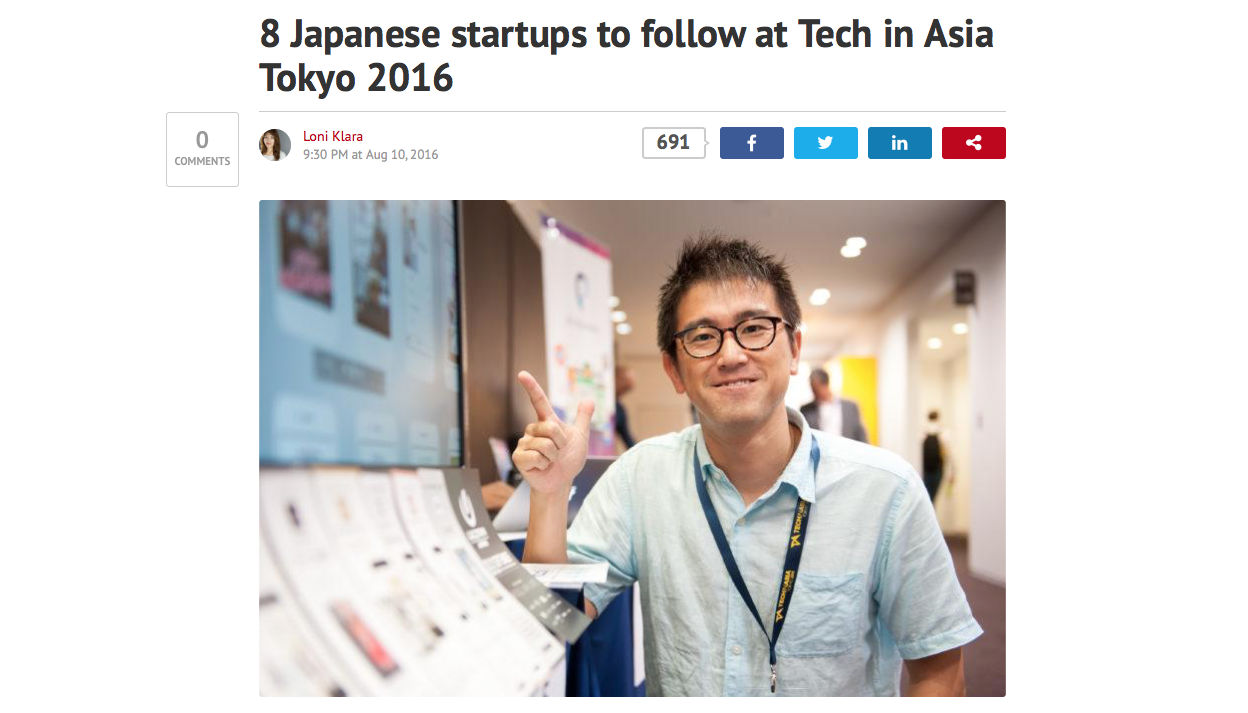
We were featured on the Tech in Asia blog as one of eight startups with fresh approaches, ranging from restaurant recommendations via Instagram to a wearable camera that takes pictures with the blink of an eye.
And that is what they said about us:
“This promising startup develops advanced sensor technology, and is currently working on creating a novel type of AR goggles. Their sensitive 3D orientation sensors can be used in different fields from sports to medicine, and even function in naval environments. LP-Research frequently collaborates with other players in hi-tech solutions, from accurately navigating autonomous drones for the European Space Agency to creating innovative solutions for human-device interaction with Google ATP. Going through their portfolio feels like browsing the future.”
Thank you so much, we are so happy!
Tech in Asia Tokyo 2016 has started today. Please come by and visit us in our booth on Wednesday, September 7. Looking forward!

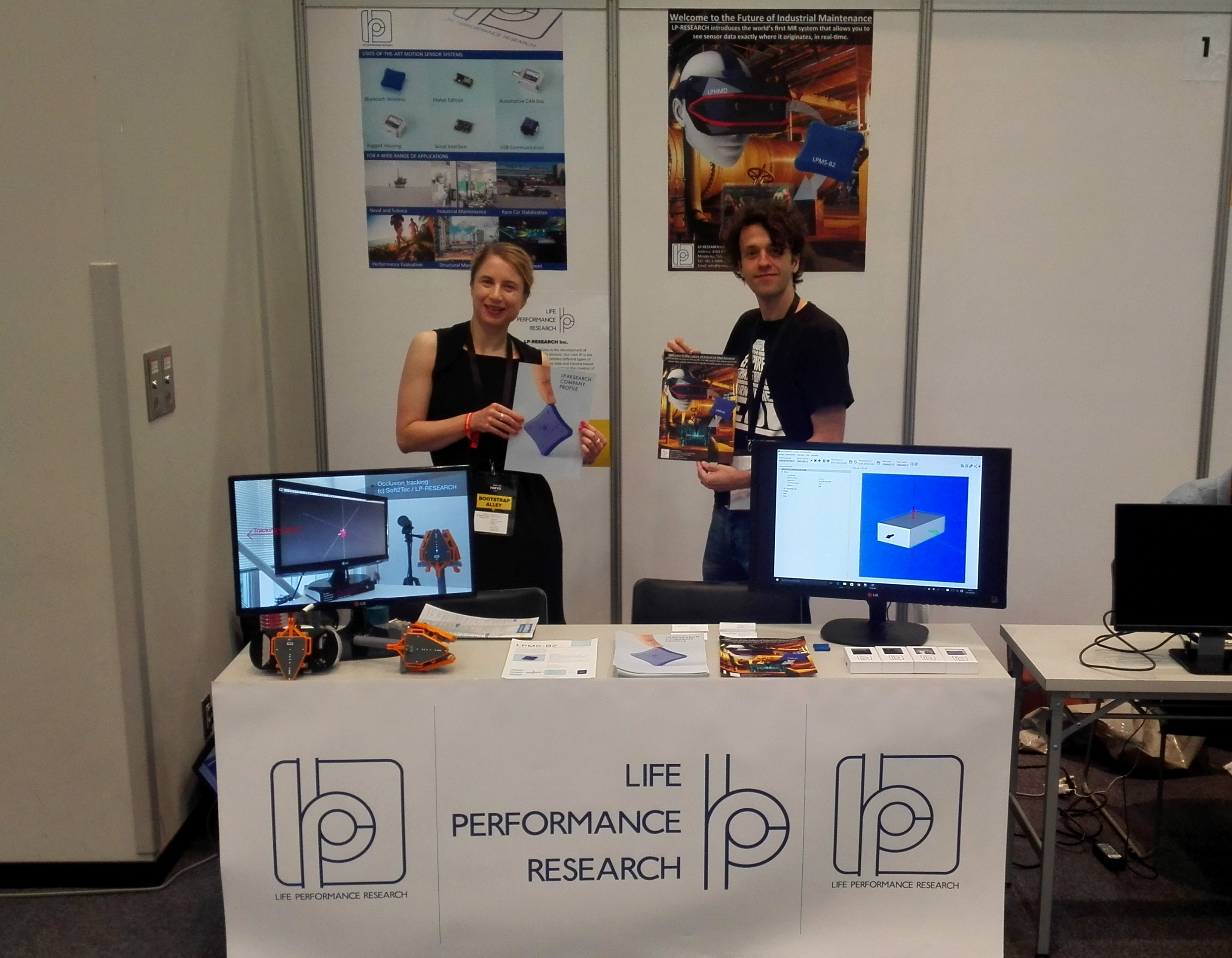
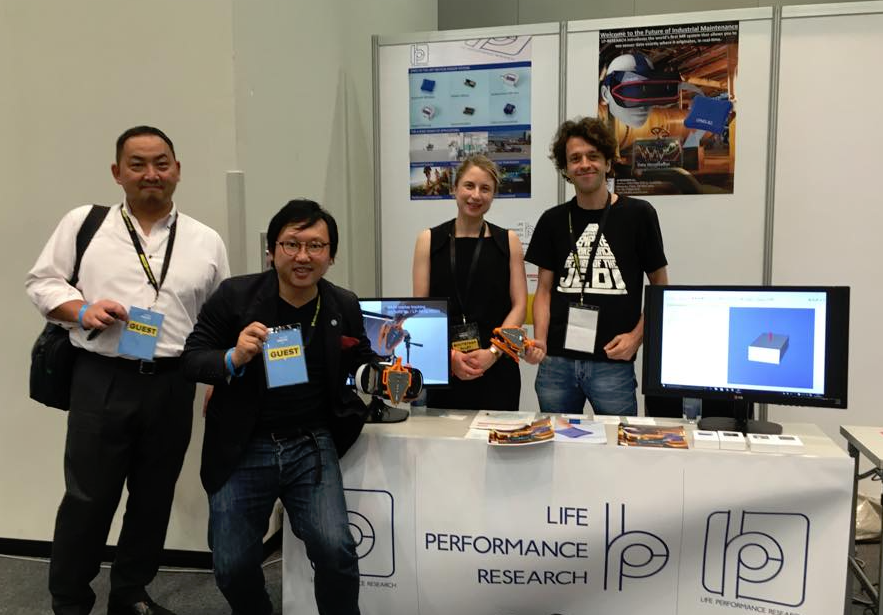
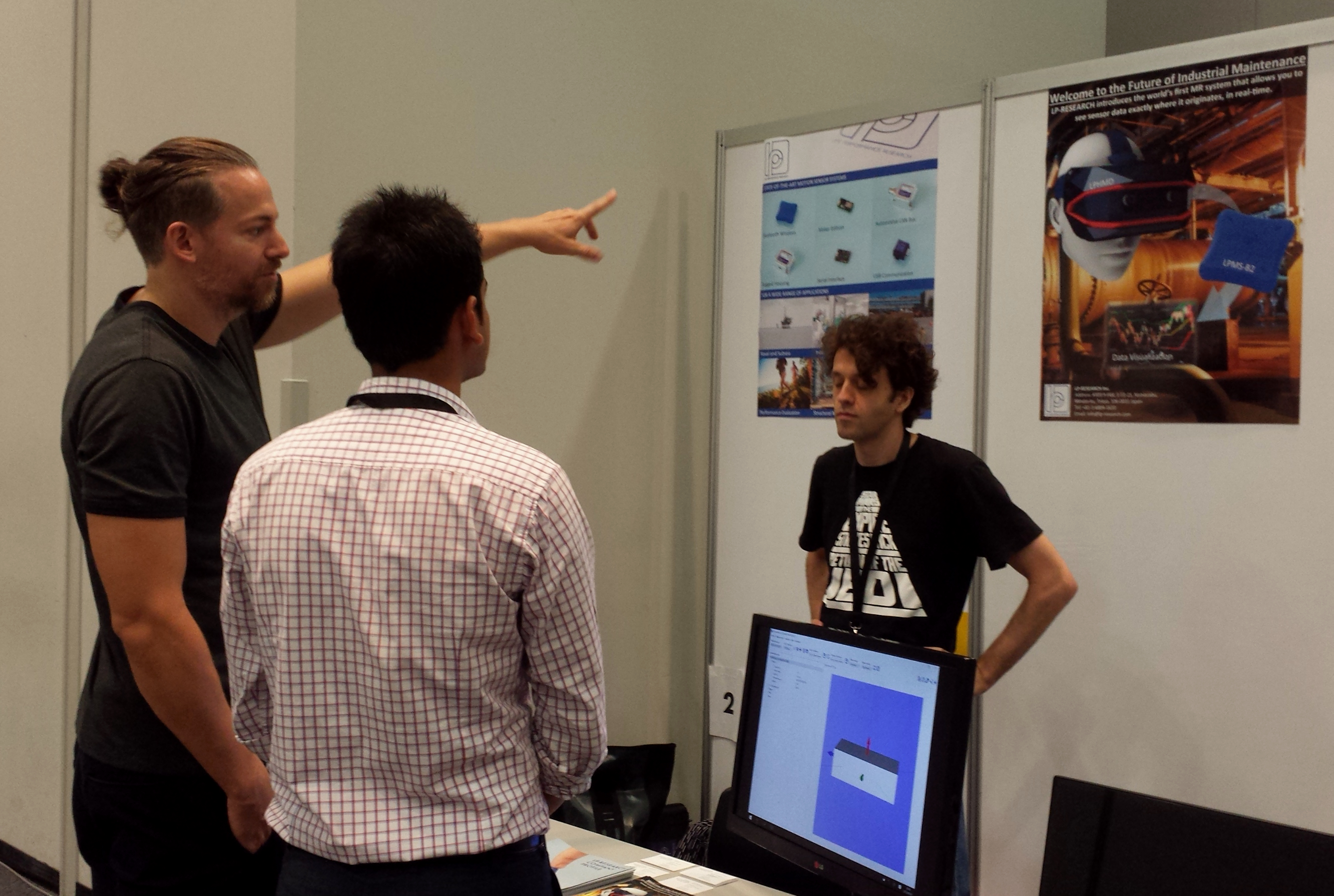
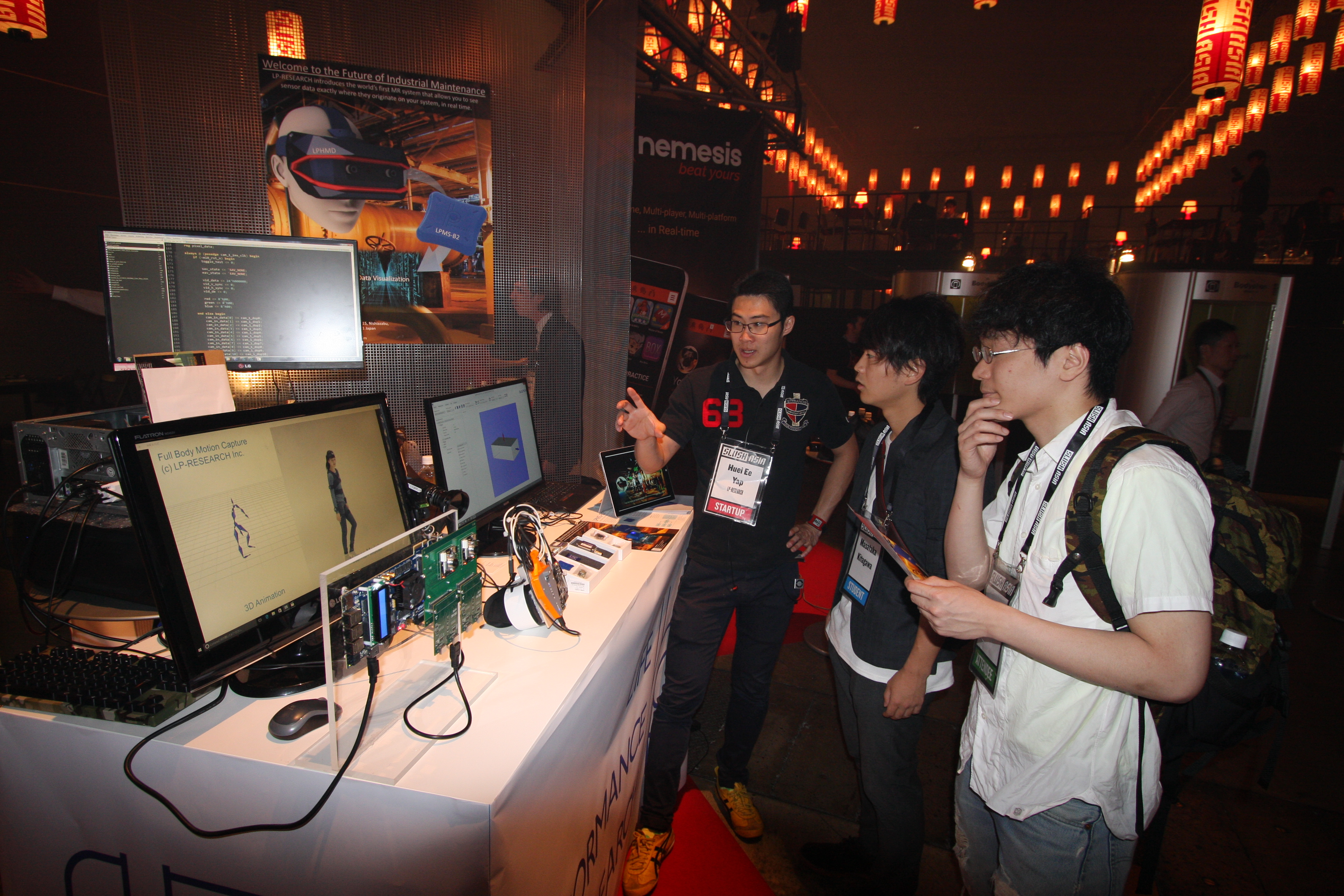
Our booth at Slush Asia was pretty popular. CTO Yap is explaining the sensors to visitors.
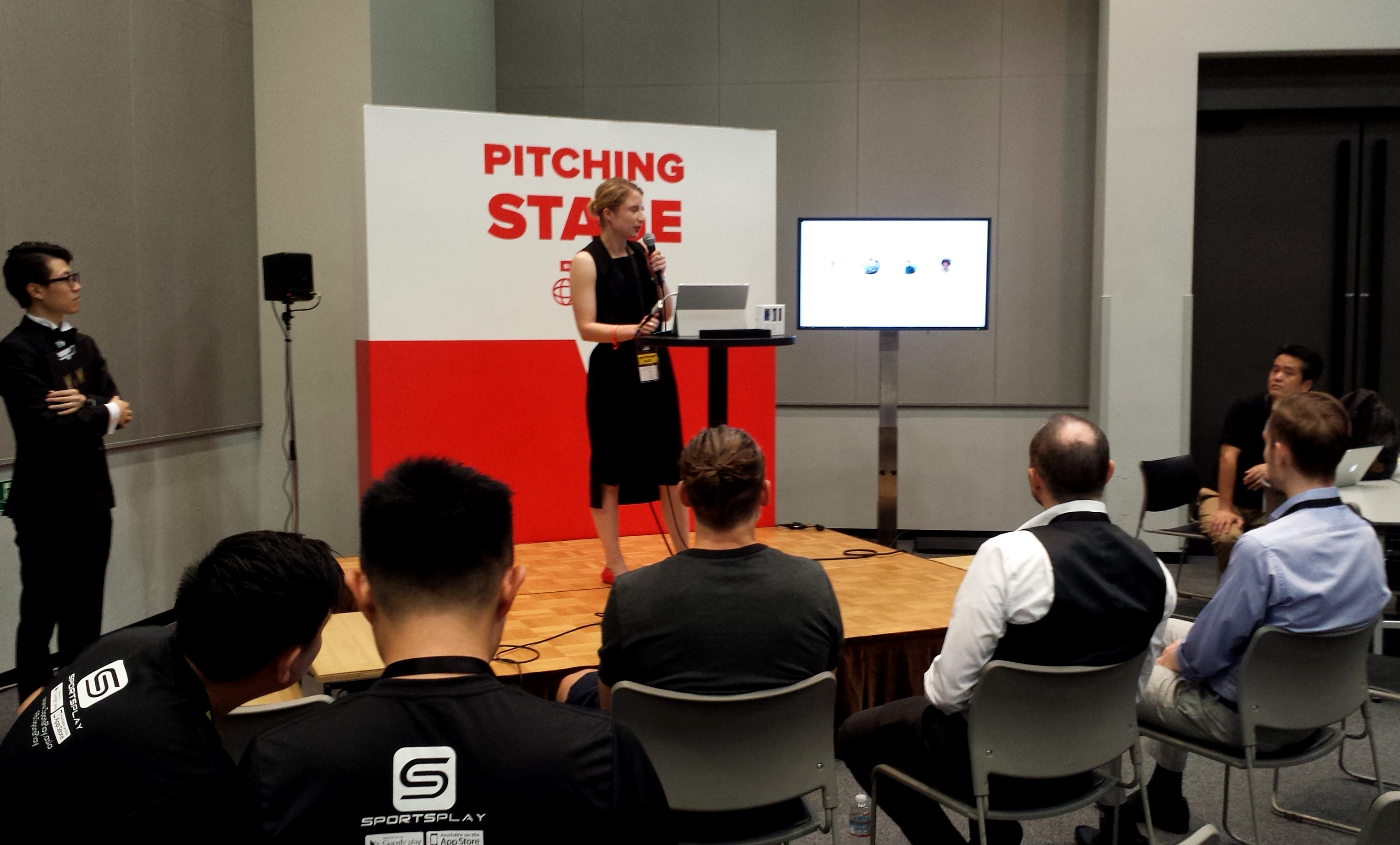
With Tech in Asia being held this week, it is never too late to let you know that we also attended Slush Asia at Tokyo’s Makuhari Messe in May 2016. Two days of networking, catching up with old friends and meeting new folks to hear about their exciting projects. At our booth we presented our new generation of sensors to many very interested visitors.
Attendants could also get a glimpse of our two new projects currently in the making that involve VR and AR: One is a high-definition hardware and software development kit for Augmented Reality; the other is an a IMU/optical tracking system development kit for both Virtual and Augmented Reality applications. Stay tuned for more!

Team StarCraft’s race car
From August 8-14 Team StarCraft of German Technische Universität Ilmenau participated at the Formula Student Germany – International Design Competition. Among many other teams from around the world they took on various challenges including acceleration and endurance races. Sensors such as the IMU (inertial measurement unit) from LP-RESEARCH offered valuable data about air pressure, vertical acceleration and magnetic field strength, which the racing team needed to regulate their traction control in order to perform well. The students used our LPMS-CU to control the car’s Torque Vectoring and the Anti-slip Regulation (ASR).
For next year’s race they will be back with an even more refined car!