The AUDI Holodeck

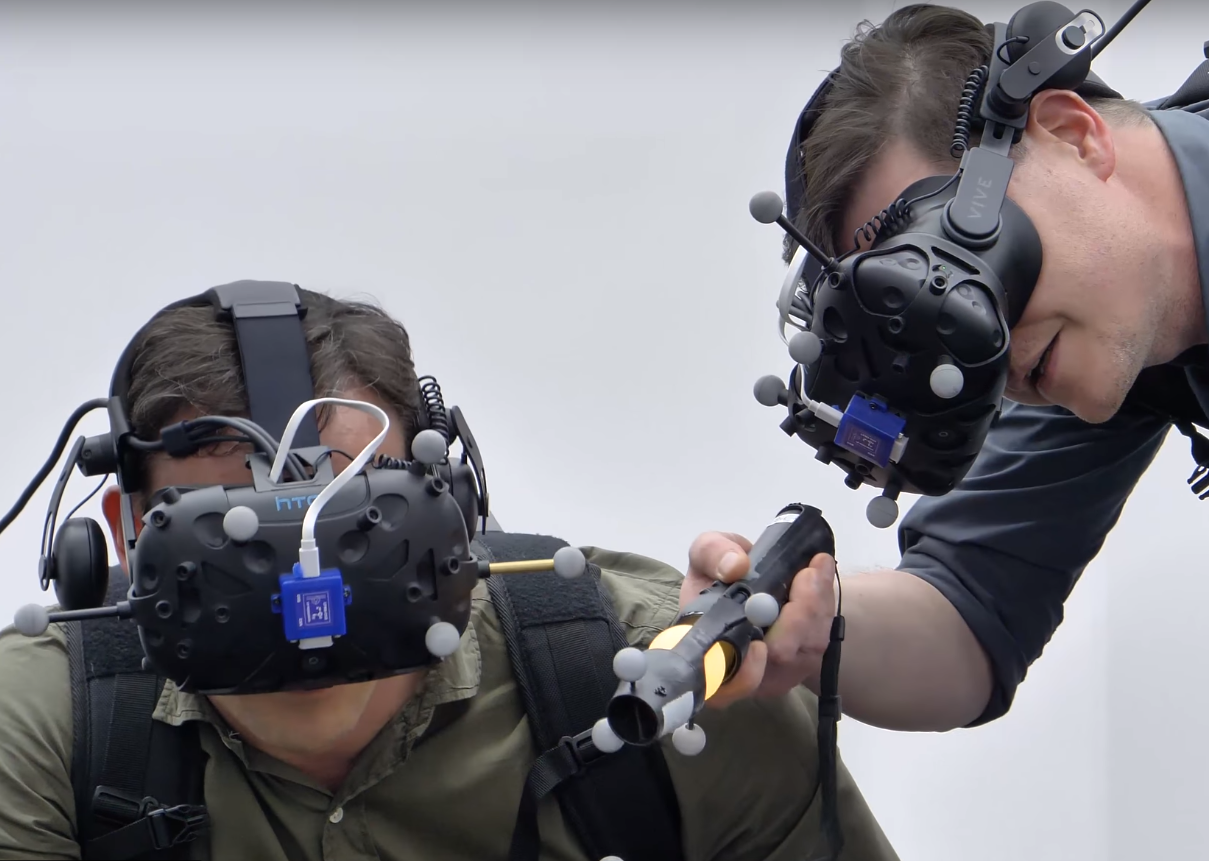
Our large-scale VR solution allows any SteamVR-based (e.g. Unity, Unreal, VRED) Virtual Reality software to seamlessly use the HTC VIVE headset together with most large-room tracking systems available on the market (OptiTrack, Vicon, ART). It enables easy configuration and fits into the SteamVR framework, minimizing the effort needed to port applications to large rooms.
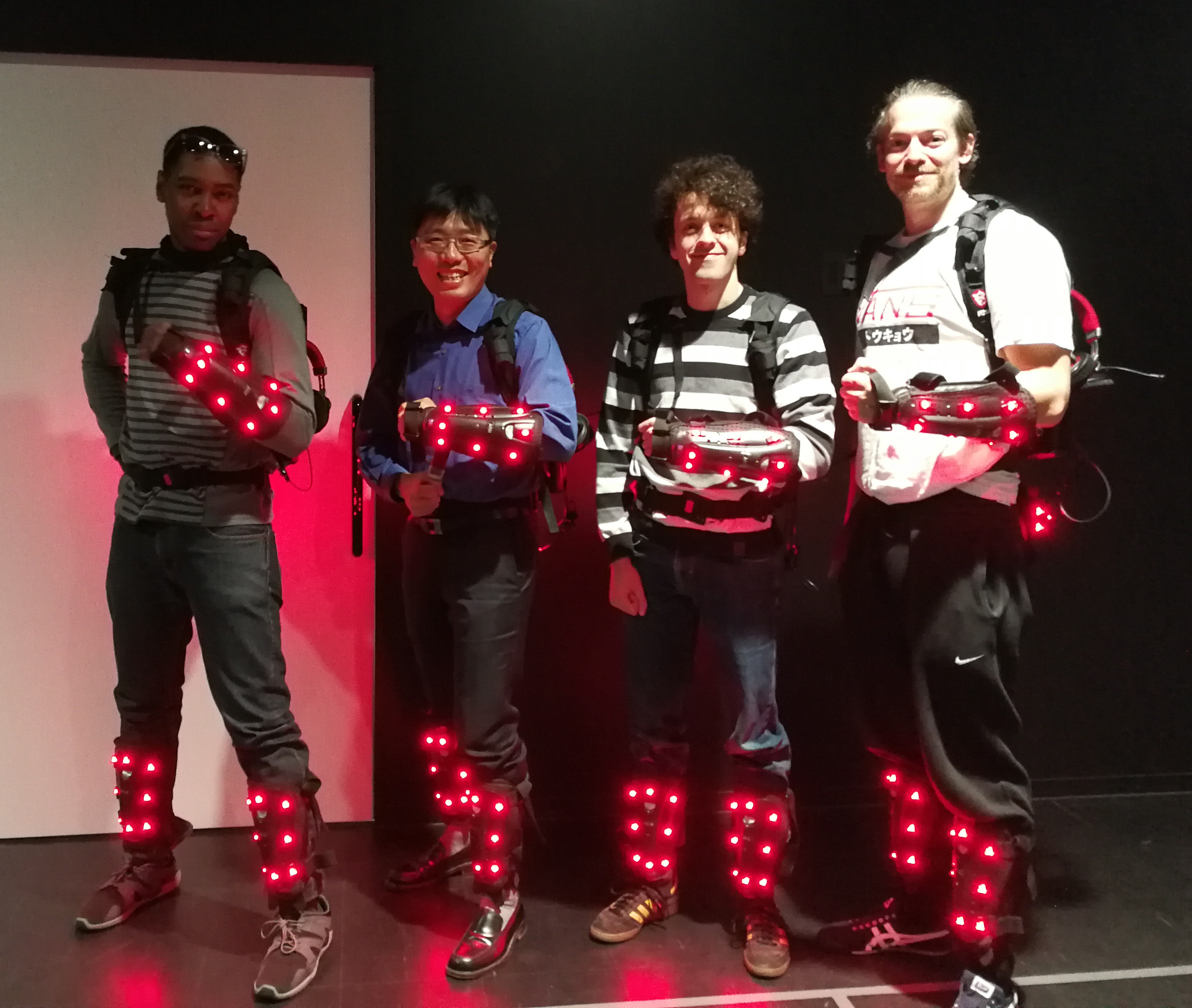
One of our first users, Lightshape, have recently released a video showing what they built with our technology. They call it the Holodeck Control Center, an application which creates multi-user collaborative VR spaces. In it users can communicate and see the same scene whether they are the same real room or in different locations. The installation showcased in the video is used by German car maker Audi to study cars that haven’t been built yet.
Our technology is essential in order to get the best VR experience possible on the 15m × 15m of the main VR surface, combining optical tracking data and IMU measurements to provide precise and responsive positioning of the headsets. Please have a look at Lightshape’s video below.

Ready for the HTC Vive Pro
In the near future, this installation will be updated to the HTC Vive Pro which our software already supports. The increased pixel density of this successor of the HTC Vive will make the scenes look even more realistic. The resolution is high enough to actually read the various panels once you are in the drivers seat! Besides that, we are also busy studying applications of the front-facing cameras of the Vive Pro in order to improve multi-user interaction.

UPDATE 1 – LPVR now offers VIVE Pro support!
UPDATE 2 – LPVR can now talk to all optical tracking systems that support VRPN (VICON, ART etc.).
UPDATE 3 – Of special interest to automotive customers may be that this also supports Autodesk VRED.
Current VR products cannot serve several important markets due to limitations of their tracking systems. Out of the box, both the HTC Vive and the Oculus Rift are limited to tracking areas smaller than 5m x 5m, which is too small for most multi-player applications. We have previously presented our solution that combines our motion sensing IMU technology, OptiTrack camera-based tracking and the HTC Vive to allow responsive multiplayer VR experiences over larger areas. Because of the necessary interfacing this means that applications still need to be prepared specifically for this solution.
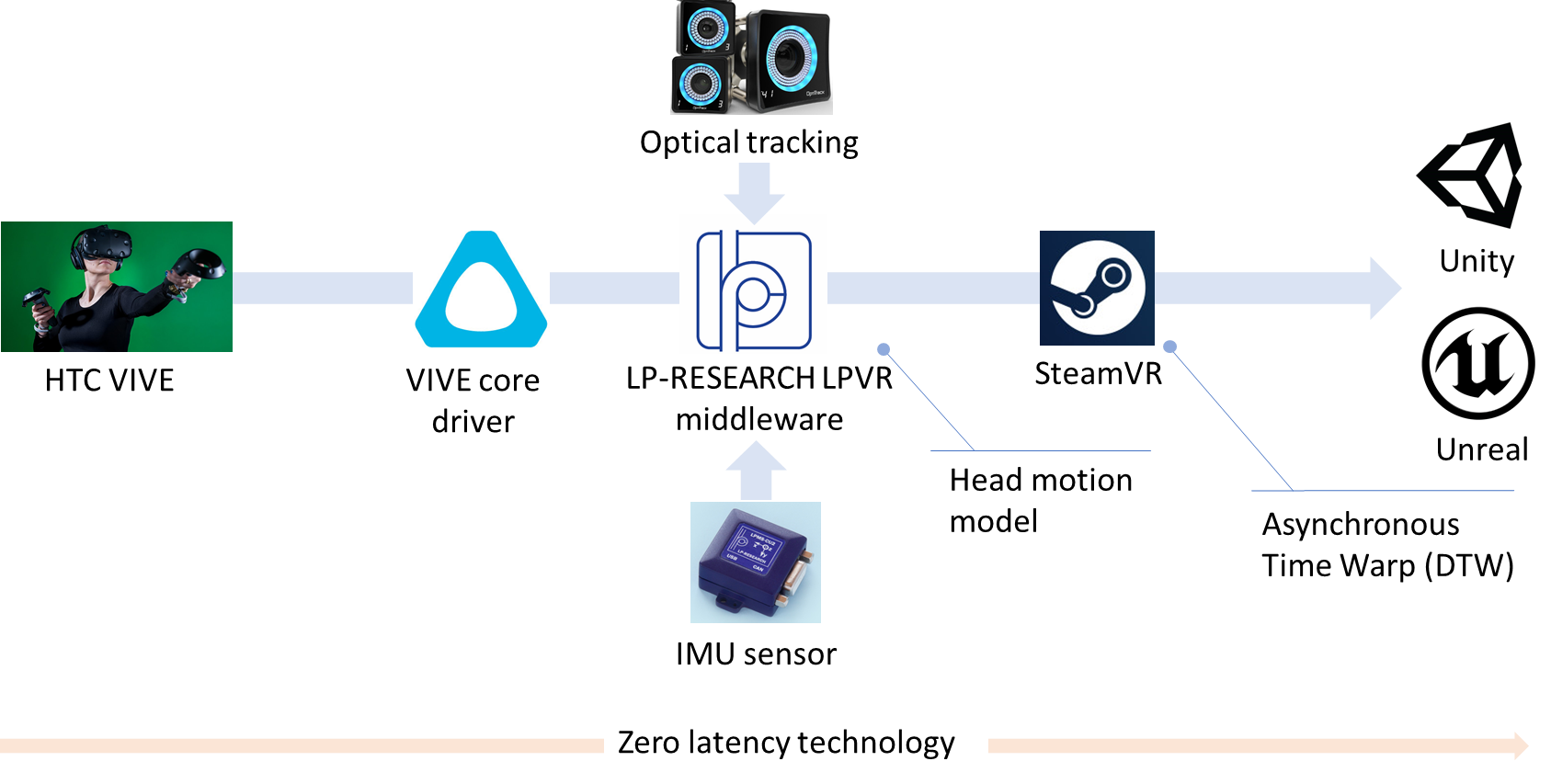
We have now further improved our software stack such that we can provide a SteamVR driver for our solution. What this means is that on the one hand any existing SteamVR application automatically supports the arbitrarily large tracking areas covered by the OptiTrack system. On the other hand it means that no additional plugins for Unity, Unreal or your development platform of choice is needed — support is automatic. Responsive behavior is guaranteed by using LP-RESEARCH’s IMU technology in combination with standard low-latency VR technologies like asynchronous time warping, late latching etc. An overview of the functionality of the system is shown in the image above.

We are proud to announce the release of a new series of high-precision sensors for applications in autonomous vehicle navigation. The sensors are based on quartz-vibration gyroscopes with low-noise, low-drift characteristics. They have excellent capabilities for measurement of slow to medium speed rotations.
We offer the new sensors in various versions with different communication interfaces and housing options: LPMS-NAV2, LPMS-NAV2-RS232 and LPMS-NAV2-RS422. Please check more detailed information on our products page
The following video shows a use-case of one of our customers in China. The company is using LPMS-NAV2-RS232 sensor for mobile robot navigation. Automatic navigation of automated guided vehicles (AGV) or cleaning robots are two of the principal application areas of the LPMS-NAV series.
If you have any interest in this product, please contact us for further information.